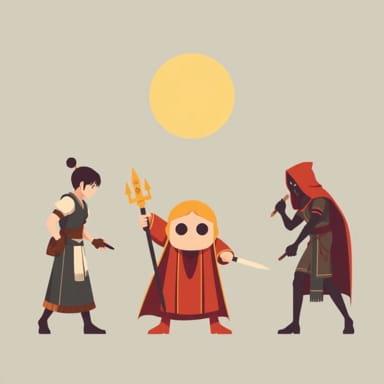
With the upcoming release of Metaphor: ReFantazio, fans of RPGs and Atlus games are excited to learn more about the world, story, and especially the playable characters. Created by the same minds behind Persona 3, 4, and 5, this new fantasy RPG introduces a unique narrative and character system set in an entirely new universe. One of the most compelling aspects of this title is its cast of playable characters, each bringing their own personality, abilities, and role within both combat and the overarching story. As anticipation builds, understanding who the Metaphor: ReFantazio playable characters are and how they impact gameplay is crucial for fans and newcomers alike.
Main Protagonist
The Player Character
As with many games developed by Atlus, Metaphor: ReFantazio places you in control of a silent protagonist. While the character’s appearance and dialogue are shaped by the player’s decisions, the narrative centers heavily around their role in uniting a divided kingdom following the death of its monarch. This character begins as a seemingly ordinary figure but gradually unlocks their true potential through mystical power and social bonds.
Just like in the Persona series, the protagonist is designed to be a blank slate, allowing players to immerse themselves fully in the choices they make. However, the character will still be defined by in-game actions, relationships with other characters, and progression through different classes or ‘archetypes.’
Combat Role
The protagonist can access a wide range of abilities and adapt to different combat roles depending on the archetype chosen. This flexibility makes the main character a dynamic force in battle, capable of fulfilling multiple tactical needs such as damage dealing, healing, or support depending on the situation.
Key Companion Characters
Strohl
Strohl is one of the first companions to join the protagonist. His background as a noble and his personality reflect someone who is earnest, disciplined, and loyal. In combat, Strohl fulfills a frontline melee role, often acting as a tank or physical attacker. His skillset leans into brute strength, defense, and rallying allies in the heat of battle.
Hulkenberg
Another prominent party member is Hulkenberg, a strong-willed and physically intimidating character who plays a crucial role in the story. Her design suggests a warrior archetype, possibly with ties to a more complex past. She appears to be a powerhouse in battle, capable of dishing out heavy melee damage while absorbing hits. Her abilities may also include special techniques that disrupt enemy formations or break through defenses.
Heismay
Heismay brings a magical and strategic edge to the group. With a refined appearance and intellectual demeanor, Heismay likely fits into a spellcaster or tactical support role. Whether focusing on elemental magic, buffs, or crowd control, Heismay adds valuable depth to team compositions, especially in battles that require planning and adaptability.
More Allies Await
While only a few playable characters have been officially revealed, it’s clear that Metaphor: ReFantazio will offer a diverse cast of companions. Each one will bring a distinct personality and backstory, expanding the narrative while contributing unique abilities in combat. Just like in previous Atlus titles, social interaction and party development will play a major role in enhancing both gameplay and emotional investment.
Character Development Systems
Archetype System
One of the standout features in Metaphor: ReFantazio is its archetype system. Characters can evolve through various archetypes that define their combat style and skills. These archetypes are similar to classes in traditional RPGs but are likely influenced by story events, character interactions, and progression choices made by the player.
- Warrior Archetypes: Focus on melee damage, defense, and front-line combat.
- Mage Archetypes: Specialize in elemental attacks, healing, or status effects.
- Rogue Archetypes: Emphasize agility, critical hits, and stealth tactics.
- Support Archetypes: Provide healing, buffs, and team-wide advantages.
This system not only adds variety to combat but also personalizes the experience. Characters can be tailored to suit the player’s preferred strategy, and progression choices will influence how each party member contributes in different scenarios.
Bonding and Social Interaction
In line with Atlus tradition, character development extends beyond battles. Bonding with party members is expected to unlock new abilities, narrative scenes, and potential character upgrades. While the details have not all been released, this mechanic appears similar to the Social Link or Confidant systems from Persona games, which encouraged players to deepen their relationships for mechanical and story-based rewards.
Visual and Thematic Design
Distinctive Art Style
Each playable character in Metaphor: ReFantazio features a distinctive design crafted by Shigenori Soejima, the acclaimed artist behind many of Atlus’ most iconic characters. Expect visually striking outfits, detailed facial expressions, and designs that reflect each character’s personality and role in the story. These aesthetics are not just for show they help reinforce the worldbuilding and fantasy setting that defines the game.
Thematic Depth
Characters are not just combat units; they are central to the themes of identity, leadership, and transformation. Each companion has their own internal struggles, beliefs, and motivations, which become apparent through story interactions and questlines. These elements create a deeper, more mature storytelling environment that elevates Metaphor: ReFantazio beyond a standard fantasy RPG.
Strategic Party Composition
Balancing Combat Roles
Players will need to carefully consider which characters to bring into battle. With a flexible archetype system, there are many ways to build a balanced team. Ideally, a party might include:
- A frontline fighter or tank like Strohl or Hulkenberg
- A versatile protagonist who can shift roles based on need
- A support or caster like Heismay for magical attacks or healing
Mixing and matching characters and archetypes adds a layer of tactical decision-making, especially in tougher boss fights or dungeons that demand synergy and foresight.
Story-Driven Party Dynamics
Beyond mechanics, party interactions will likely affect morale and cohesion. Story choices might impact how characters relate to one another, potentially unlocking team attacks or combined abilities. This dynamic creates a living party system where relationships matter just as much as stats.
The playable characters in Metaphor: ReFantazio are shaping up to be one of the game’s greatest strengths. With a rich mix of personalities, combat roles, and growth paths, each character offers something unique to the player’s journey. The use of archetypes, combined with social bonding mechanics and deep narrative ties, ensures that party members are more than just tools they are key to the emotional and strategic depth of the experience. As more information is revealed leading up to launch, fans will no doubt continue to speculate and build excitement over the full roster and their role in shaping this bold new fantasy world.