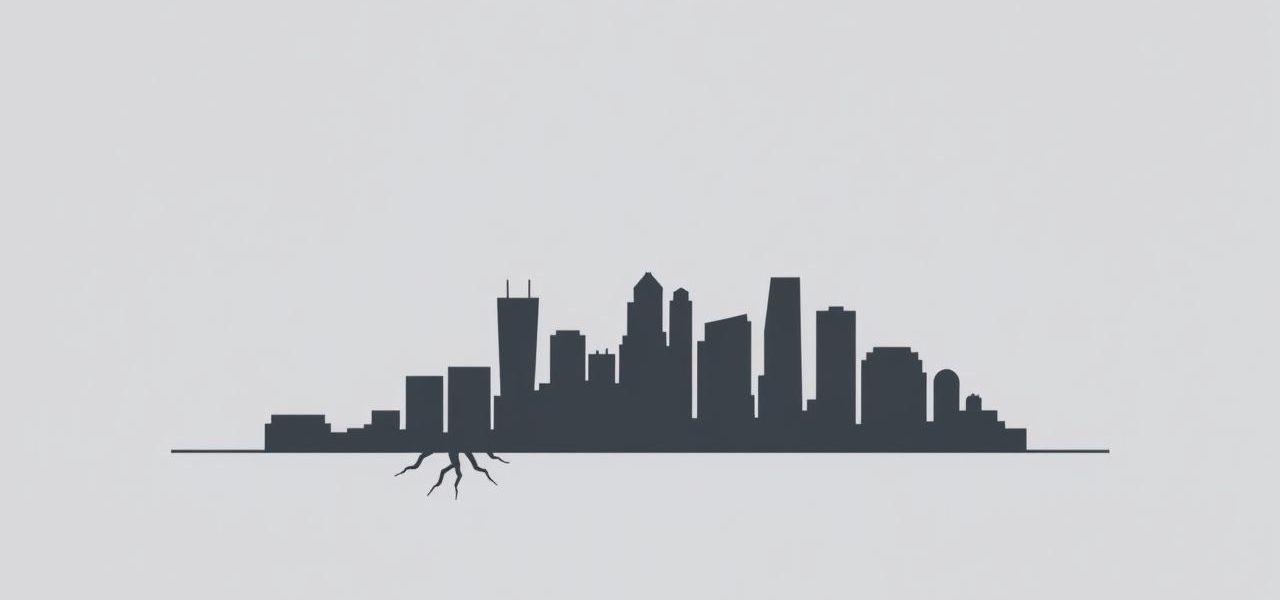
The documentary The Fall of Minneapolis explores the events and consequences following the death of George Floyd in May 2020. It focuses on the aftermath within the city of Minneapolis, the impact on its police department, and the broader implications for law enforcement, public safety, and political leadership. This film offers a different perspective than many mainstream narratives, emphasizing the experiences and voices of police officers, legal experts, and community members who were affected in the months and years following the incident. It aims to challenge assumptions and provide insight into what has happened to the city in the wake of one of the most high-profile cases in modern American history.
Background: The Death of George Floyd
On May 25, 2020, George Floyd died while in the custody of Minneapolis police officers, sparking global protests and debates about policing, systemic racism, and justice in the United States. The video of officer Derek Chauvin kneeling on Floyd’s neck for over nine minutes became a symbol of police brutality for many around the world. In the days that followed, Minneapolis became the center of national and international attention.
Protests erupted across the country and around the globe, with demands for police reform and accountability. In Minneapolis, the city experienced widespread unrest, including the burning of a police precinct, property damage, and violent confrontations between demonstrators and law enforcement. The event marked a turning point in the national conversation about race and policing.
Focus of the Documentary
The Fall of Minneapolis seeks to examine what happened in the city after the global spotlight moved on. While the documentary acknowledges the significance of George Floyd’s death, it shifts focus to the Minneapolis Police Department, exploring the pressures officers faced and the institutional decisions that followed.
Key Themes of the Film
- Police Departures: One of the central issues highlighted is the mass exodus of police officers from the Minneapolis Police Department. The film presents interviews with former officers who describe a lack of support from political leaders and a hostile working environment.
- Officer Testimonies: The documentary includes firsthand accounts from police officers who were on duty during the riots or who were involved in related events. Their narratives offer insight into how the job changed dramatically in the months following Floyd’s death.
- Use of Force Policies: The film examines how policy changes and public scrutiny altered how police were allowed to respond to crime and civil unrest, leading to what some believe was a breakdown in law enforcement effectiveness.
- Political Response: The documentary critiques the actions and decisions of city officials, particularly in relation to the defunding or restructuring of the police department and the impact these actions had on crime rates and public trust.
How the Documentary Was Made
Directed and produced by a team with backgrounds in law enforcement journalism, The Fall of Minneapolis is built on interviews, public records, court documents, and video footage. The creators claim their goal is to provide a voice to those who felt silenced during the height of the national outrage. The tone of the documentary is serious and investigative, seeking to provoke critical thinking and discussion.
The filmmakers spent time collecting interviews with retired police officers, legal analysts, and residents of Minneapolis. While some critics view the film as controversial, others see it as an important piece that highlights the complexity of post-2020 policing challenges.
Controversial Perspectives and Reactions
Like many documentaries dealing with sensitive political and social issues, The Fall of Minneapolis has received a range of reactions. Supporters argue that it provides a necessary counterbalance to mainstream portrayals of police misconduct. They believe it raises valid questions about law enforcement morale, rising crime, and political accountability in Minneapolis.
On the other hand, critics argue that the documentary downplays systemic issues in policing and may shift blame away from those responsible for abuse of power. Some also question the objectivity of the sources interviewed and the framing of certain events.
Points of Debate
- Accountability vs. Support: How can society balance the need for police accountability with the need to support officers doing their jobs in dangerous situations?
- Reform vs. Defunding: Should cities reform their police forces or reduce their size and funding as a path to safer communities?
- Media Narratives: How do different narratives shape public opinion about crime, justice, and safety?
Impact on Minneapolis and Beyond
The documentary presents Minneapolis as a city in crisis. With rising crime rates and a declining police presence, some residents report feeling less safe. According to the film, the decrease in police staffing has had real consequences on response times and public safety outcomes. The documentary argues that the city’s leadership failed to adequately support law enforcement in the aftermath of George Floyd’s death, leading to a climate of fear and disorder.
In a broader context, The Fall of Minneapolis suggests that what happened in this city could serve as a cautionary tale for other urban centers facing similar challenges. The film urges viewers to consider the consequences of quick political decisions made during times of emotional and social unrest.
Why the Documentary Matters
Whether one agrees with its perspective or not, The Fall of Minneapolis is part of an important ongoing discussion about policing, justice, and civic leadership. It raises uncomfortable but necessary questions about what happens after high-profile tragedies fade from the headlines. It also highlights the voices of people particularly law enforcement personnel who feel they have not been heard in the broader national debate.
Documentaries like this one challenge viewers to look beyond slogans and social media posts and to consider the long-term effects of policy decisions and public sentiment. They remind us that real people live in the cities affected by protests, violence, and change and that all perspectives deserve thoughtful examination.
A Complex Story Still Unfolding
The Fall of Minneapolis is not a simple story. It’s a layered and often emotional account of a city still healing from trauma, still debating the right path forward, and still reckoning with issues that affect communities across the United States. The documentary adds to the growing collection of media that encourages reflection on justice, police reform, and civic responsibility.
By offering a different lens on the events after George Floyd’s death, the film invites critical thinking and informed dialogue. Whether seen as a necessary correction or a polarizing take, it is clear that The Fall of Minneapolis taps into real concerns about law enforcement, public trust, and the future of American cities. It challenges viewers to understand not just what happened, but why it continues to matter today.