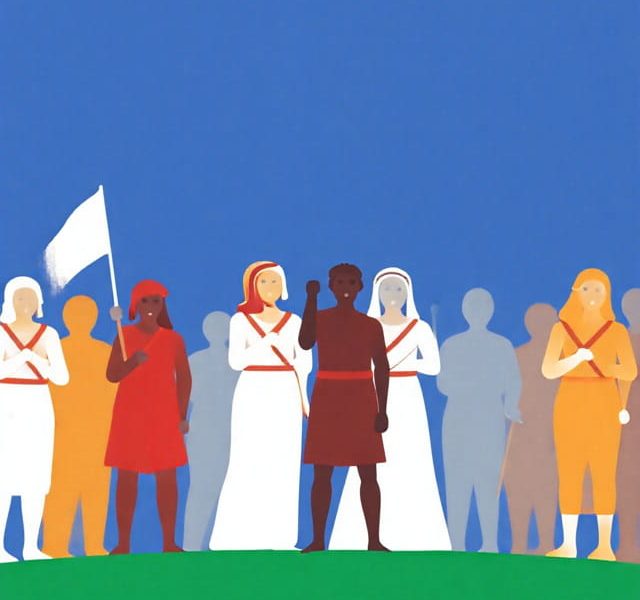
The origins of the antislavery movement are deeply rooted in a complex mix of moral, religious, economic, and political factors that developed over centuries. Long before slavery was formally challenged by organized groups, individuals and communities had already begun to question the justice and humanity of owning other human beings. The antislavery movement emerged as a powerful force in the 18th and 19th centuries, calling for the abolition of slavery and the recognition of human rights for all people. This movement was shaped by diverse voices, including religious reformers, philosophers, enslaved people themselves, and early activists who risked their lives to fight an entrenched system of exploitation and oppression.
Early Roots of Antislavery Thought
The questioning of slavery can be traced back to ancient times, but the organized antislavery movement began taking shape mainly in Europe during the Enlightenment. The Enlightenment introduced new ideas about liberty, equality, and human rights, which clashed with the widespread practice of slavery. Philosophers like John Locke and Montesquieu discussed natural rights and justice, laying intellectual groundwork that would inspire abolitionist arguments.
Religious Influences
Religious beliefs played a crucial role in early antislavery sentiment. Various religious groups, especially Christian denominations such as the Quakers, opposed slavery on moral grounds. The Quakers, or the Religious Society of Friends, were among the first to condemn slavery as a sin. Their belief in the spiritual equality of all human beings led them to actively campaign against the slave trade and slavery itself. Other religious reformers across Europe and America began to preach about the immorality of owning human beings, emphasizing compassion and justice.
The Transatlantic Slave Trade and Its Impact
The transatlantic slave trade, which forcibly transported millions of Africans to the Americas, became a focal point for antislavery activists. The brutal conditions of the Middle Passage and the harsh realities of slavery on plantations and in households fueled outrage and resistance. Stories from enslaved people, abolitionist literature, and eyewitness accounts highlighted the inhumanity of slavery, galvanizing public opinion.
Economic and Social Changes
The rise of industrial capitalism in Europe began to change economic attitudes toward slavery. Some economists and politicians argued that free labor was more efficient and morally superior to slave labor. These new economic ideas, combined with the growth of cities and increased literacy, helped spread abolitionist messages. At the same time, enslaved people resisted their condition through rebellions, escapes, and everyday acts of defiance, challenging the system from within.
The Formation of Antislavery Societies
By the late 18th century, formal organizations dedicated to ending slavery had begun to appear. One of the earliest was the Society for Effecting the Abolition of the Slave Trade, founded in Britain in 1787. This group, which included notable figures like Thomas Clarkson and Granville Sharp, worked tirelessly to raise awareness, lobby Parliament, and gather evidence against the slave trade. Their efforts contributed to the British Parliament passing the Slave Trade Act of 1807, which banned the transatlantic slave trade in the British Empire.
The Role of Key Abolitionists
- William Wilberforce: A prominent British politician who championed abolition in Parliament and worked for decades to end the slave trade.
- Frederick Douglass: An escaped enslaved person who became a powerful orator and writer, advocating for abolition and equal rights in the United States.
- Sojourner Truth: A former enslaved woman who spoke out against slavery and for women’s rights, inspiring many with her courage and faith.
- Olaudah Equiano: An African who was enslaved but gained his freedom and wrote a compelling autobiography exposing the horrors of slavery.
Antislavery Movement in the United States
The antislavery movement in the United States grew steadily during the early 19th century, influenced by both religious revivalism and political activism. Abolitionist newspapers, speeches, and literature spread anti-slavery ideas to a wider audience. Groups like the American Anti-Slavery Society, founded in 1833 by William Lloyd Garrison and others, advocated for immediate emancipation without compensation to slaveholders.
Opposition and Challenges
Despite growing support, abolitionists faced fierce opposition from pro-slavery forces, especially in the southern states where slavery was deeply entrenched economically and culturally. Abolitionists were often threatened, censored, or attacked for their beliefs. The conflict between antislavery and pro-slavery factions contributed to rising tensions that eventually led to the American Civil War.
International Influence and Legacy
The antislavery movement was not confined to Europe and America; it inspired movements worldwide. Countries such as Haiti, where enslaved people successfully revolted and established an independent republic, demonstrated the power of resistance. Throughout the 19th century, many nations abolished slavery through legislation and social change, influenced by the moral and political arguments developed by abolitionists.
Global Impact
- The abolition of slavery in the British Empire in 1833, which freed thousands of enslaved people.
- The gradual emancipation of enslaved people in Brazil and other South American countries.
- The adoption of human rights principles that would later influence international law and conventions.
The origins of the antislavery movement reveal a story of courage, moral conviction, and social change. Emerging from a blend of Enlightenment philosophy, religious ethics, and grassroots activism, the movement challenged one of history’s most brutal institutions. The tireless efforts of abolitionists and the resilience of enslaved people themselves helped bring about the gradual end of slavery in many parts of the world. Understanding this history reminds us of the ongoing importance of human rights and justice in our societies today.