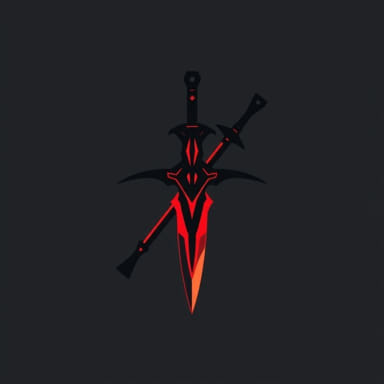
Blade of Grievous Harm is a name that evokes fear, power, and mystery in equal measure. Whether encountered in a fantasy game, dark fiction universe, or mythic legend, this blade is more than just a weapon it is a force that reshapes the battlefield and its wielder alike. Known for its cursed origin and devastating abilities, the Blade of Grievous Harm is often depicted as a sentient artifact or ancient relic forged in blood and sorrow. It does not merely cut through flesh but leaves lasting wounds on body and soul. Understanding the nature, lore, and power of this legendary weapon is essential for players, storytellers, or fantasy enthusiasts who appreciate deep world-building and weapon mythology.
Origin and Lore
A Weapon Born from Pain
The Blade of Grievous Harm is not an ordinary sword crafted by mortal hands. According to various accounts and fantasy settings, the blade was forged through a forbidden ritual, often involving dark sorcery and blood sacrifices. Its creation was not for honor or protection, but purely to inflict suffering and control. The weapon is rumored to have been tempered in the tears of the dying and sharpened with hatred.
In most versions of the lore, the blade is cursed. Its wielder is granted unimaginable power, but at a price emotional torment, slow corruption, or the inability to ever put it down without consequences. The sword feeds on pain, both given and received, and thrives in chaos. This makes it especially attractive to those seeking revenge, domination, or raw power.
Legends Surrounding Its Wielders
Throughout different fantasy worlds, the Blade of Grievous Harm is linked to infamous warriors, tyrants, and tragic anti-heroes. Many of these characters started with noble intentions, only to fall under the weapon’s influence. The sword’s thirst for suffering often turns its owner into an instrument of destruction, feared by enemies and allies alike.
- The Broken Prince: Once a noble ruler, he took up the blade to avenge his kingdom, but lost himself in the process.
- The Crimson Maiden: A legendary assassin who used the sword to eliminate entire bloodlines, claiming the blade whispered her next target.
- The Hollow Knight: Cursed with eternal life as long as he bore the blade, unable to rest or forgive.
Design and Aesthetic
A Weapon of Dreadful Beauty
Visually, the Blade of Grievous Harm is often depicted as a long, curved weapon with veins of glowing red or black energy running through its metal. Its surface might be etched with runes or scars from countless battles. The hilt is usually wrapped in aged leather or sinew, and the guard shaped like fangs or wings. It radiates an aura that chills the air around it, making the blade unmistakable even when sheathed.
Sound and Presence
Descriptions of the blade often include eerie sounds whispers, distant screams, or a low hum that increases in volume before a strike. It is not just a weapon but a presence. Those nearby may feel unease or sudden aggression, hinting at the sentient nature of the blade. Many adventurers and soldiers who have encountered it recall the sensation of being watched or judged by the sword itself.
Abilities and Effects
Pain Beyond the Physical
The Blade of Grievous Harm is feared not only for its sharpness but for the wounds it leaves. When it cuts, it inflicts more than bleeding or broken bones it delivers pain that lingers long after the physical damage is healed. Victims often suffer from phantom pain, nightmares, or even hallucinations tied to their injury.
Combat Features
- Soul Wound: Each strike deals damage that bypasses conventional armor and resists healing magic or potions.
- Pain Echo: Enemies hit by the blade suffer periodic damage as the pain echoes within them for multiple turns.
- Sorrow Empowerment: The weapon grows stronger when surrounded by suffering whether from allies or enemies.
- Cursed Bond: Once equipped, the wielder cannot drop the blade without suffering severe backlash unless specific rituals are performed.
Psychological Toll
The blade does not merely harm others it also breaks down the one who uses it. Over time, the wielder may lose empathy, develop violent tendencies, or experience disturbing visions. In some stories, the blade speaks to its bearer, guiding them toward conflict and tragedy. Others report growing addicted to the power it provides, unable to part with it even as they lose themselves.
In-Game Representation
Role in Role-Playing Games (RPGs)
In fantasy RPGs, the Blade of Grievous Harm is often a high-risk, high-reward item. Players might receive it as a reward for completing a dark quest or uncovering an ancient crypt. Its use requires careful decision-making, as it can significantly boost damage output but impose penalties over time. Dungeon masters or developers use the blade as a narrative tool to challenge morality and explore themes of corruption and sacrifice.
Balancing Power and Consequence
Game designers often include drawbacks such as:
- Permanent stat penalties if used too frequently
- Influence over dialogue choices and player alignment
- Random events triggered by the blade’s hunger for pain
- Triggering darker story routes or endings
Symbolism and Themes
The Nature of Suffering
The Blade of Grievous Harm serves as a metaphor for how pain shapes individuals. It asks whether power gained through suffering can ever be justified, or whether it always leads to ruin. Characters who wield the blade often find themselves at moral crossroads, questioning whether the end truly justifies the means.
Redemption or Damnation
One of the most compelling aspects of stories involving this blade is the question of whether its wielder can be saved. Some tales end in tragedy, with the hero becoming a villain. Others show a path to redemption perhaps through destroying the blade or sealing it away forever. These stories resonate with audiences because they reflect inner battles between rage, grief, and the will to rise above them.
The Blade of Grievous Harm is not just a weapon it is a legend, a curse, and a character in its own right. Its presence in any story or game instantly adds depth, danger, and philosophical weight. It challenges those who wield it to confront their own darkness and forces players or readers to consider the true cost of power. Whether used as a powerful artifact in a tabletop campaign, a centerpiece in a fantasy novel, or a key element in a video game, the blade remains unforgettable. It cuts through more than flesh it severs the line between justice and vengeance, strength and madness. The question is not whether you can wield the Blade of Grievous Harm, but whether you can survive it.