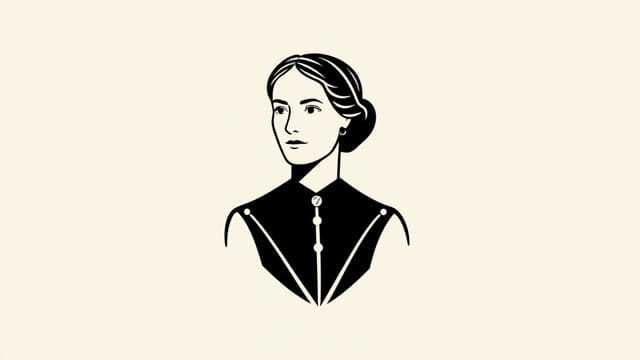
In the late 19th century, Canada was undergoing significant transformation. The vast landscape was slowly being united through the expansion of the transcontinental railroad, a technological and political achievement that would shape the country’s identity. Among the key figures who witnessed and participated in this grand national journey was Lady Agnes Macdonald, wife of Canada’s first Prime Minister, Sir John A. Macdonald. Known for her adventurous spirit, Lady Agnes became famously associated with a rather peculiar yet iconic episode in Canadian history her ride on a cowcatcher attached to a locomotive. This moment not only captured public imagination but also became a symbol of the pioneering spirit of the era.
Who Was Lady Agnes Macdonald?
Born Agnes Bernard in Jamaica in 1836, Lady Agnes was raised in a cultured and intellectually stimulating environment. She was the second wife of Sir John A. Macdonald, and their union was one of mutual affection and companionship. Lady Agnes was not merely a figurehead or a political spouse she was deeply involved in the affairs of the country and frequently accompanied her husband on important journeys.
Her writings, letters, and observations offer a rare window into the political and social climate of 19th-century Canada. Her curious and energetic personality endeared her to many Canadians. She was an advocate for Canadian unity and took great interest in national development, particularly in how the Canadian Pacific Railway would bring distant provinces and territories into a stronger federation.
The Cowcatcher Ride: A Memorable Event
One of the most talked-about episodes in Lady Agnes Macdonald’s life occurred in 1886 during a trip across Canada on the newly completed transcontinental railroad. While crossing the Rockies, she reportedly requested to ride on the cowcatcher the iron grill at the front of the locomotive designed to clear obstructions from the tracks. Her request was unconventional and even controversial, given the status and decorum expected of a Prime Minister’s wife at the time.
Despite safety concerns and objections from some of her companions, Lady Agnes was granted her wish. She mounted the cowcatcher and enjoyed an uninterrupted view of the breathtaking Canadian wilderness as the train steamed through the mountains. This moment became legendary, emblematic of her adventurous spirit and deep connection to Canada’s natural beauty.
Symbolism and Public Reception
The ride had profound symbolic value. It was more than a personal adventure it was a public gesture that reflected confidence in Canada’s progress and the triumph of infrastructure over the rugged terrain. For many Canadians, the image of Lady Agnes on the cowcatcher represented the optimism and fearless attitude needed to build a new nation.
Newspapers and magazines covered the story with fascination. Some criticized it as reckless or unladylike, while others praised her for challenging norms and embracing modernity. Over time, the event became mythologized, immortalized in both historical accounts and cultural memory.
Canada’s Expansion and the Role of the Railway
To understand the significance of Lady Agnes Macdonald’s cowcatcher ride, it’s important to place it within the broader context of Canadian expansion and the role of the railway. The completion of the Canadian Pacific Railway in 1885 was a monumental achievement, connecting Eastern Canada with British Columbia and facilitating settlement, trade, and communication across the vast landmass.
For many political leaders, including Sir John A. Macdonald, the railway was not just a transportation project it was the glue that would bind Canada together. The presence of Lady Agnes on this cross-country journey, including her cowcatcher ride, reinforced the message that the railway was safe, accessible, and worthy of national pride.
Impact on Canadian Identity
Lady Agnes Macdonald’s cowcatcher ride contributed in a subtle but lasting way to the development of Canadian identity. It was an early example of a woman asserting her agency in a public and adventurous setting, a gesture that resonated with both traditional and progressive Canadians.
Her willingness to take risks, travel through harsh environments, and support national unity projects earned her a place in the collective imagination. While not a politician herself, her symbolic acts and visible support of her husband’s agenda helped solidify public support for the transcontinental vision of Canada.
Legacy and Historical Importance
Although Lady Agnes Macdonald’s life was full of many notable contributions, her cowcatcher ride remains one of the most distinctive. It stands as a metaphor for the daring ambition required to build a country from coast to coast. Her legacy is celebrated in books, academic discussions, and popular retellings of Canadian history.
Moreover, her personal writings continue to be valuable historical sources. They reflect the thoughts and feelings of a woman who witnessed the birth of a modern nation firsthand. Her diary entries and letters from the railway trip provide colorful and vivid descriptions of the landscapes, the people she met, and the challenges faced by the rail workers and engineers.
Reflections on Adventure and Modernity
Lady Agnes’s cowcatcher ride is not just an amusing anecdote; it also provokes reflection on the broader theme of modernity in the 19th century. The railway was a symbol of technological progress, and her participation in its promotion showed how individuals, especially women in high society, could engage with the forces of change.
Her actions challenged the expectations of how a political wife should behave and demonstrated that women, too, had a place in shaping public narratives. By stepping out of the private sphere and into the front of a moving train literally and figuratively she expanded the boundaries of female influence in Canadian society.
An Enduring Canadian Icon
Lady Agnes Macdonald and her cowcatcher ride remain a vibrant part of Canada’s national story. The image of a dignified woman braving the elements at the front of a roaring train symbolizes courage, exploration, and national pride. Her life and actions provide insight into the cultural and political shifts of 19th-century Canada and offer inspiration for those who continue to shape the country today.
Through her writings, travels, and bold gestures, Lady Agnes Macdonald helped write an unforgettable chapter in the history of the Canadian Pacific Railway and the building of Canada. Her cowcatcher ride was more than just a moment of curiosity it was a declaration of enthusiasm for a new and united nation, and a testament to the strength and vision of Canadian pioneers.