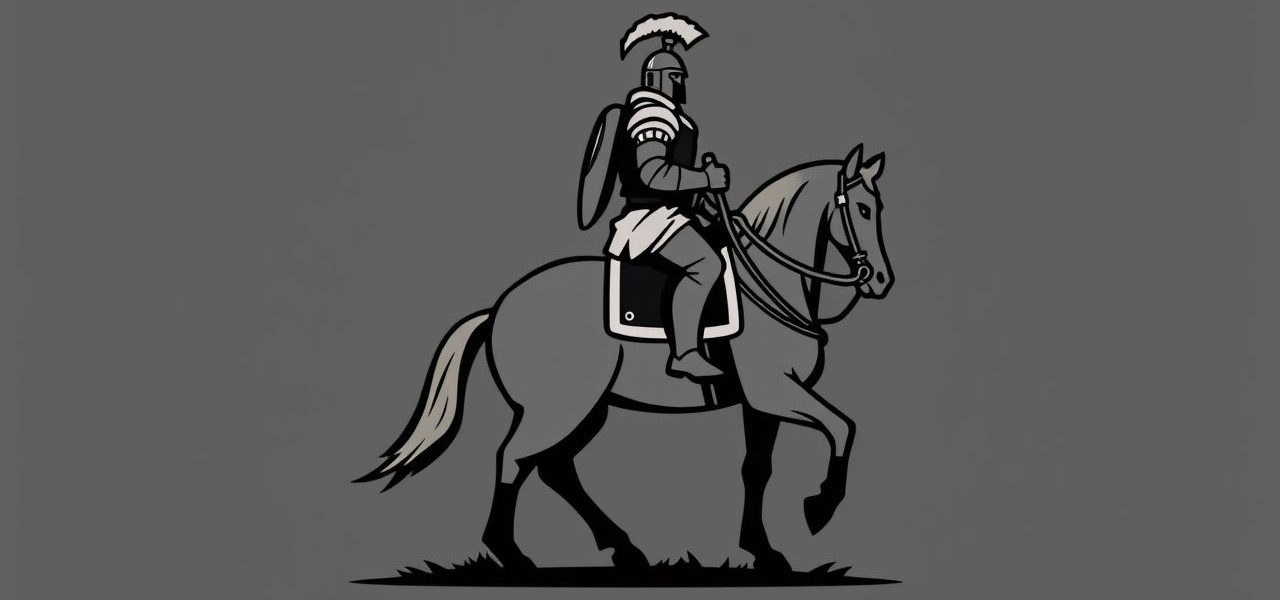
In the annals of military history, few images stir the imagination as vividly as that of a heavy cavalryman thundering into battle, clad in armor, wielding a lance or sword, and atop a powerful warhorse. These warriors were not just soldiers; they were symbols of might, prestige, and societal order. But what would it take for someone to be pressured, coerced, or even bullied into becoming one of these formidable fighters? Exploring this theme opens a fascinating window into the martial traditions, class dynamics, and expectations that shaped medieval and early modern warfare. The path to becoming a heavy cavalryman was as much social as it was physical.
What Is a Heavy Cavalryman?
A heavy cavalryman was a mounted warrior equipped with heavy armor, trained for shock combat. Unlike light cavalry, which focused on speed and agility, heavy cavalry was designed to break enemy lines through brute force. The most famous examples include knights in medieval Europe, cataphracts in the Byzantine and Persian empires, and cuirassiers during the Napoleonic wars.
Key Characteristics:
- Full-body armor made of metal or reinforced leather
- Armed with lances, swords, or polearms
- Mounted on large, trained warhorses
- Emphasis on formation and direct charges
Societal Expectations and Peer Pressure
In feudal societies, martial prowess was closely linked to nobility and honor. The eldest sons of noble families were often expected to serve as knights or cavalrymen to uphold family status. This expectation acted as a powerful form of social pressure. Failure to pursue the martial path could result in ridicule, alienation, or loss of inheritance.
Forms of Coercion:
- Family Pressure: Noble families often saw knighthood as a tradition that must be passed down.
- Peer Comparison: Young men were frequently compared to peers who had already taken up arms.
- Public Shaming: Refusing military service could be seen as cowardice or betrayal.
This bullying was not always physical it was emotional and psychological, built into the social fabric. From squireship to battlefield experience, the process molded a young man into a warrior, sometimes against his own desires.
The Training of a Heavy Cavalryman
Becoming a heavy cavalryman was no easy task. It required years of training, discipline, and substantial financial investment. Those who were forced into the role often had to endure harsh conditions and grueling routines.
Stages of Training:
- Page: At around age seven, noble boys served in another noble household to learn manners and basic literacy.
- Squire: Around age 14, they began training in horsemanship, weaponry, and tactics, often under an experienced knight.
- Knighthood: By their early twenties, they were knighted if deemed worthy, often during a ceremony that involved vows and religious blessings.
Those who resisted the process or showed reluctance could be mocked as weak or unmanly. The rigid training ensured that even the unwilling were eventually shaped into the role society expected of them.
Financial Burden and Debt
Equipping a heavy cavalryman was immensely expensive. Armor, weapons, horses, and maintenance could bankrupt even a modest noble. For individuals bullied into the role by their families or societal norms, the financial burden often compounded the emotional toll.
Essential Costs:
- Warhorse: Bred and trained specifically for battle, these animals were very costly
- Armor: Full plate armor could cost the equivalent of several years’ wages for a laborer
- Weapons and Maintenance: Lances, swords, and regular blacksmith upkeep
- Retainers: Squires, grooms, and servants were needed to support the cavalryman’s daily needs
In many cases, families went into debt to uphold appearances, pressuring the younger generation to justify the expense by serving in wars or tournaments. The role became not just a duty but a financial obligation.
Psychological Toll and Warfare Realities
Being bullied into becoming a heavy cavalryman didn’t mean one was emotionally or mentally prepared for war. Many found themselves facing the horrific realities of combat without the inner resolve to cope. The psychological impact was profound, especially for those who never wanted to fight in the first place.
Combat Stress and PTSD:
- Trauma from brutal hand-to-hand combat
- Fear of failure or dishonor on the battlefield
- Survivor’s guilt and long-term psychological distress
Historical records rarely capture the personal struggles of reluctant warriors, but letters and chronicles occasionally hint at deep inner turmoil. Despite their imposing appearance, many heavy cavalrymen carried invisible burdens.
Heroism vs. Reluctance
There’s often a romantic view of heavy cavalrymen as gallant, fearless, and noble. However, behind the armor, many were simply men shaped by forces beyond their control. Some fought valiantly, while others carried resentment and trauma, having been pushed into a role they never chose.
In literature and history, reluctant warriors often become tragic figures brave but unwilling participants in violent conflicts. This duality between duty and desire remains one of the most compelling aspects of heavy cavalry history.
Legacy of the Heavy Cavalryman
Though the age of heavy cavalry has long passed, the image continues to inspire. From movies to fantasy novels, the armored horseman remains an enduring symbol of strength. Yet, the stories of those who were bullied or forced into becoming such warriors add nuance and humanity to this historical archetype.
Modern Interpretations:
- Popular culture often glamorizes the role
- Historians are increasingly interested in the personal experiences of soldiers
- Psychological studies explore the impact of forced conscription and trauma
Understanding the human side of the heavy cavalryman especially those who became one under pressure allows for a richer, more balanced perspective. Not every warrior was a willing one, and recognizing this helps us appreciate the complex realities behind the armor.
The journey to becoming a heavy cavalryman was one paved with expectation, pressure, and often, coercion. While some embraced the role with pride, others were bullied into donning the armor and riding into war. This mix of duty, societal force, and personal struggle adds depth to the historical image of these powerful warriors. By acknowledging the varied paths to the saddle, we come closer to understanding the full scope of military history and the human stories it holds.