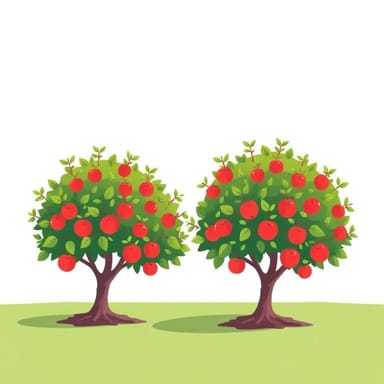
Growing apple trees is a rewarding endeavor for both backyard gardeners and orchard owners, but not all apple trees are created equal when it comes to pollination needs. While many apple varieties require a compatible partner tree nearby to produce fruit, self fertile apple trees offer the convenience of setting fruit without cross-pollination. This makes them especially valuable in small gardens, urban settings, or isolated plots where planting multiple trees isn’t practical. Understanding how self fertile apple trees work and which varieties perform best can make all the difference in a successful harvest.
What Are Self Fertile Apple Trees?
Self fertile apple trees, also known as self-pollinating apple trees, are able to produce fruit with their own pollen. Unlike traditional apple varieties that require pollen from another apple tree of a different variety (a pollination partner), self fertile varieties can develop apples on their own. This does not mean they won’t benefit from additional pollinators nearby fruit set can still improve with another tree but it does mean they can fruit reliably when planted alone.
How Self-Pollination Works
Pollination occurs when pollen is transferred from the anther (male part) to the stigma (female part) of a flower. In self fertile apple trees, the flowers are genetically capable of accepting their own pollen. Bees and other pollinators still play a role in moving pollen within the same tree, but cross-pollination from another variety isn’t necessary for fruit to form.
Benefits of Planting Self Fertile Apple Trees
There are several advantages to choosing self fertile apple trees, especially for home gardeners and those with limited space.
- Space-saving: Only one tree is needed to produce fruit, making it perfect for small gardens, patios, or balconies.
- Simple orchard planning: No need to worry about pollination partners, bloom times, or compatibility charts.
- Faster harvests: With fewer trees to manage, it’s easier to focus on the care and productivity of one tree.
- Consistent fruit set: Even in areas with low bee activity or fewer nearby trees, these varieties still bear fruit.
Popular Self Fertile Apple Tree Varieties
There are several reliable self fertile apple tree cultivars available to gardeners and orchardists. Each variety offers unique flavor profiles, textures, and seasonal ripening times.
1. Egremont Russet
- Fruit flavor: Rich, nutty, and aromatic
- Harvest time: Mid to late season
- Tree habit: Compact and suitable for small spaces
2. James Grieve
- Fruit flavor: Juicy and sharp, ideal for eating or cooking
- Harvest time: Early to mid-season
- Growth: Vigorous and productive
3. Sunset
- Fruit flavor: Sweet and slightly tangy
- Harvest time: Mid-season
- Pollination group: Group 3, but self fertile
4. Falstaff
- Fruit flavor: Sweet, crisp, and aromatic
- Harvest time: Mid to late season
- Tree characteristics: Hardy and disease-resistant
5. Red Devil
- Fruit flavor: Juicy and sweet with a hint of strawberry
- Harvest time: Mid-season
- Special features: Produces red-fleshed juice
Growing Tips for Self Fertile Apple Trees
Even though self fertile apple trees are more flexible when it comes to pollination, they still need good growing conditions to thrive. Proper care ensures better fruit yield, healthier trees, and fewer pest and disease issues.
Choosing the Right Location
- Plant in a location with full sun (at least 6-8 hours of direct sunlight daily).
- Ensure the soil is well-draining with moderate fertility.
- Avoid areas prone to standing water or heavy clay unless amended properly.
Watering and Fertilizing
- Water young trees regularly during the first two years to establish strong roots.
- Once established, water during dry spells, especially in summer and early autumn when fruit is forming.
- Apply a balanced fertilizer in early spring before bud break, and again in mid-summer if necessary.
Pruning and Maintenance
- Prune annually in winter to maintain shape, encourage airflow, and remove dead or diseased wood.
- Thin fruit in early summer to prevent overloading and promote larger, healthier apples.
- Monitor for pests such as codling moth and aphids, and treat as needed with eco-friendly methods.
Do Self Fertile Apple Trees Still Need Pollinators?
While self fertile trees can fruit on their own, pollinators like bees still play an important role. Their activity can improve fruit quality, increase the number of apples per tree, and even affect the shape and size of the fruit. Therefore, planting companion flowers nearby or encouraging bee habitats can still be beneficial, even for self fertile varieties.
Best Uses for Self Fertile Apples
Depending on the variety, apples from self fertile trees can be enjoyed in many ways:
- Fresh eating: Many varieties have a perfect balance of sweetness and crunch for snacking.
- Cooking and baking: Some self fertile apples hold their shape well in pies and tarts.
- Juicing: Cultivars like Red Devil produce flavorful, colorful juice ideal for fresh drinks or cider.
- Preserving: Apples can be canned, made into sauces, or dried for long-term storage.
Ideal Planting Options for Small Spaces
For those with limited space, self fertile apple trees can be planted as:
- Dwarf trees: Grafted onto dwarfing rootstocks to stay compact and manageable.
- Espaliers: Trained flat against walls or fences to save space and add visual interest.
- Container-grown trees: Ideal for patios and balconies, especially dwarf varieties.
These options make it possible to enjoy fresh apples even in urban gardens or tight suburban plots.
Self fertile apple trees offer an excellent solution for gardeners who want the joy of harvesting homegrown apples without the complications of cross-pollination. Whether you’re working with a small backyard, a community garden, or a limited orchard space, these trees simplify the process of growing fruit. With the right care, site selection, and variety choice, you can enjoy crisp, flavorful apples year after year from just one tree. Their ability to perform independently makes them a reliable and practical choice for beginners and experienced growers alike.