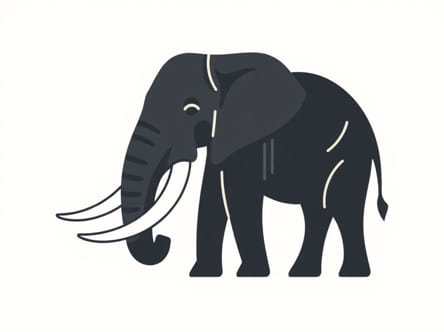
Elephant tusks, composed of ivory, have long been associated with wealth, artistry, and tragedy. The global demand for ivory has fluctuated over the years, primarily driven by illegal poaching and black-market trade. While legal sales of elephant tusks are largely banned in most parts of the world, the underground market still thrives, often linked to organized crime. Understanding the price of elephant tusk requires a deeper look into its history, market dynamics, legal restrictions, and conservation impact. The trade in elephant ivory is more than just economics; it is a matter of ethics, wildlife preservation, and international law enforcement.
What Are Elephant Tusks?
Biological Composition
Elephant tusks are elongated incisor teeth made primarily of dentin, a dense, bone-like material. These tusks continue to grow throughout an elephant’s life and can reach impressive lengths, with some weighing over 100 pounds each. Both male and female African elephants have tusks, while in Asian elephants, typically only the males grow visible tusks.
Traditional and Cultural Uses
Ivory has been used for centuries in:
- Carvings and sculptures
- Jewelry and ornaments
- Musical instruments like piano keys
- Religious artifacts and ceremonial items
Despite its cultural significance in some regions, the extraction of ivory almost always results in the death of the elephant, making it a controversial and often illegal commodity.
Market Value of Elephant Tusks
Black Market Prices
Since the international ban on ivory trade, the value of elephant tusks is difficult to determine with precision due to the secretive nature of the market. However, experts and conservation organizations have estimated the price of raw ivory to be between $1,000 to $3,000 per kilogram on the black market in various countries, particularly in parts of Asia where demand remains high.
This means a single large tusk weighing 20 to 30 kilograms could be worth between $20,000 and $90,000 illicitly. The final price often depends on the size, quality, origin, and intended use of the ivory.
Historical Trends
During the 1980s, before global restrictions tightened, ivory was widely traded. At that time, prices were lower due to legal access. After the Convention on International Trade in Endangered Species (CITES) placed elephants on Appendix I in 1989, effectively banning international ivory trade, the scarcity drove prices up.
Factors Influencing Price
- Demand: Higher demand in countries like China, Vietnam, and Thailand can spike prices
- Law enforcement: Stronger penalties and seizures can temporarily reduce trade and drive up value
- Rarity: As wild elephants become more endangered, their ivory becomes even more valuable
- Processing quality: Carved ivory or polished pieces often fetch more than raw tusks
Legal Framework and Bans
International Laws
The 1989 CITES ban was a turning point in curbing legal trade. Since then, most countries have implemented strict regulations or outright bans on ivory sales. Some nations, like the United States and the United Kingdom, have extended bans to include domestic ivory markets as well.
However, certain exceptions are allowed for antique ivory or items proven to be over 100 years old. These pieces must go through a legal vetting process before being sold or exported.
Challenges in Enforcement
- Weak regulatory systems in some African and Asian countries
- Corruption at border checkpoints and customs offices
- Use of online marketplaces and encrypted apps for transactions
Despite significant global efforts, ivory smuggling remains a major challenge. Enforcement agencies rely on undercover operations, DNA tracking, and collaboration with wildlife organizations to combat illegal trafficking.
Conservation and Ethical Concerns
Impact on Elephant Populations
Poaching for ivory has had devastating effects on elephant populations, especially in central and eastern Africa. Tens of thousands of elephants are killed each year solely for their tusks. This not only threatens the species’ survival but also disrupts ecosystems where elephants serve as keystone species.
Alternative Solutions
To combat the ivory trade, several measures have been introduced:
- Public ivory crushing events to devalue existing stockpiles
- Awareness campaigns to reduce consumer demand
- Development of synthetic ivory alternatives
- Community-based conservation efforts providing economic incentives
These efforts aim to change the narrative around ivory, highlighting the cost to wildlife rather than the monetary value of the material itself.
Ivory Market in Decline?
Changing Public Attitudes
In recent years, public opinion has shifted toward conservation, especially with high-profile campaigns by celebrities and global NGOs. Young consumers are more environmentally conscious and less likely to support products derived from endangered species.
Some countries have reported significant declines in ivory sales due to these changing attitudes. For example, following China’s 2017 ban on ivory trade, there was a noticeable drop in both domestic sales and international smuggling.
Role of Technology
Modern technologies like satellite monitoring, wildlife cameras, and DNA analysis have improved law enforcement and tracking of elephant movements. Blockchain and forensic databases are also being developed to verify the origin of ivory and prevent laundering of illegal products.
Why the Price Still Matters
Indicator of Poaching Activity
Tracking the price of elephant tusks provides insight into poaching trends and market demand. High prices typically correlate with increased poaching incidents, especially in regions with limited surveillance and high poverty levels.
Policy and Prevention
Governments and NGOs can use ivory price trends to target resources more effectively, reinforce protected areas, and develop new educational programs. Reducing the value of ivory on all fronts financial, cultural, and social is key to long-term conservation success.
The price of elephant tusks is not just a number; it reflects the intersection of greed, tradition, law, and survival. While once seen as a symbol of luxury and status, ivory is increasingly viewed as a reminder of ecological loss. Continued awareness, stricter enforcement, and cultural change are crucial in reducing the demand for elephant tusks and securing a future for these majestic animals. Only by understanding and addressing the economics behind ivory can we hope to break the cycle of exploitation and extinction.