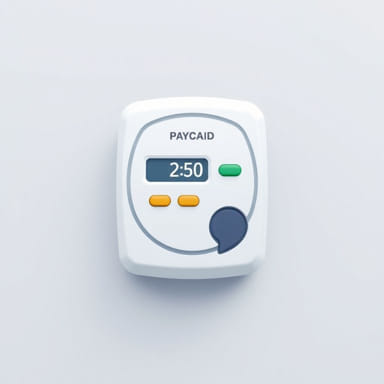
As energy consumption continues to rise and technology evolves, more households and businesses are transitioning to prepaid electricity meters. These devices allow users to monitor and control electricity usage more effectively by paying in advance for the power they consume. With growing demand for digital solutions, many utilities are initiating prepaid electricity meter updates to enhance efficiency, security, and customer convenience. Understanding what these updates involve and how they affect consumers is crucial for anyone relying on prepaid power systems.
What Is a Prepaid Electricity Meter?
A prepaid electricity meter is a device that enables users to purchase electricity before usage. Instead of receiving a monthly bill, customers load credit onto their meter using a token, voucher, mobile app, or bank payment. The meter deducts credit as electricity is consumed, allowing users to manage their energy usage and spending more closely.
This pay-as-you-go model has become popular in many regions, particularly where electricity theft or billing disputes are common. It also provides better control for low-income households aiming to stay within a tight budget. With increasing adoption, utility providers are now offering updates to these meters to ensure they remain compatible with evolving energy infrastructure and regulations.
Why Are Prepaid Electricity Meter Updates Necessary?
Technological Advancements
New technologies in smart metering, remote communication, and data management are transforming how energy is delivered and monitored. To keep up, older prepaid meters require firmware or hardware updates. These updates often include support for online recharges, improved display features, and better user interfaces for mobile apps or websites.
Compliance with Industry Standards
Governments and regulatory bodies often mandate updates to prepaid meters to ensure they comply with national energy regulations and international security standards. Updated meters may include encryption technologies to prevent tampering and fraud, and new protocols that support smart grid integration.
Improved Customer Experience
Modernized prepaid meters come with enhanced user features. These can include real-time consumption data, alerts for low balance, and historical usage tracking. By updating meters, utilities can offer a more seamless and informative experience to customers, reducing the need for manual top-ups and error-prone paper systems.
Common Features in Updated Prepaid Meters
- Remote Recharge: Users can purchase electricity via mobile apps, bank transfers, or USSD codes.
- Data Communication: Integration with GSM or Wi-Fi networks for real-time usage data.
- User-Friendly Interface: Enhanced screens or mobile applications that provide consumption insights.
- Tamper Detection: Advanced security features to detect unauthorized access or physical interference.
- Software Compatibility: Regular updates to ensure long-term meter operability with newer platforms.
How to Know If You Need a Meter Update
Utility Notifications
Energy providers usually inform customers if a meter update is required. Notifications may come through SMS, email, letters, or announcements on official websites. Users should regularly check for such updates, especially if their meter is older or not functioning optimally.
Expired Token Formats
Some prepaid meters use token encryption formats that are being phased out, such as the older STS (Standard Transfer Specification) codes. In this case, customers may need to enter a special key change token before the meter can accept new electricity credits.
Frequent Errors or Malfunctions
If your meter displays error codes, doesn’t accept tokens, or shows inconsistent readings, it might be outdated. In such cases, contacting your service provider is recommended. They can determine whether a simple software update or a full hardware replacement is necessary.
Steps Involved in a Prepaid Meter Update
Step 1: Communication from Provider
The utility company will reach out to customers with instructions. This may include the reason for the update, how it will be carried out, and whether the customer needs to take action.
Step 2: Key Change Token Entry
For token-based meters, a key change token (KCT) must be entered before new token formats can be accepted. This usually consists of two or three 20-digit codes entered sequentially using the meter’s keypad.
Step 3: Remote or On-Site Update
Some updates can be performed remotely, especially for smart meters connected to a network. In other cases, a technician may need to visit the property to replace or physically update the meter.
Step 4: Post-Update Testing
After the update, customers should test the meter by recharging and verifying the display and balance. Any issues should be reported to the provider immediately to avoid disruptions in electricity service.
Benefits of Updating Prepaid Electricity Meters
Increased Reliability
Updated meters are more accurate, stable, and less prone to failure. This ensures that electricity usage is tracked and deducted correctly, avoiding disputes and outages.
Enhanced Transparency
Modern meters provide detailed information on consumption, helping customers understand their electricity patterns. This transparency can lead to better energy-saving habits and lower bills.
Convenient Access and Control
With support for mobile recharges and real-time data, users can manage their electricity from anywhere. This eliminates the need to visit vending stations or contact customer support for basic issues.
Improved Security
Newer meters come with better encryption and tamper detection, reducing the risk of fraud and illegal connections. This protects both the utility company and the customer from losses.
Challenges and Considerations
Customer Awareness
Many users, particularly in rural areas, may not be aware of the need for a meter update. Education campaigns and community engagement are essential to ensure smooth implementation.
Downtime During Transition
In some cases, customers may temporarily lose access to electricity during the update process. Providers should minimize this downtime and offer clear communication to affected users.
Compatibility Issues
Older infrastructure may not be compatible with updated meters, requiring additional installations or changes. Customers should be prepared for potential upgrade costs or installation requirements.
Tips for Managing Prepaid Meter Updates
- Regularly check your meter and electricity provider’s updates.
- Keep records of all token purchases and meter readings.
- Report any issues or error messages immediately.
- Use mobile apps or websites for easier credit management.
- Educate family members on how to use the updated system.
Prepaid electricity meter updates are part of a larger shift toward smarter, more efficient energy management. By upgrading to the latest technology, users gain greater control over their electricity usage, enhanced security, and access to convenient features. While the transition may require some effort and adaptation, the long-term benefits are clear. Staying informed and proactive during this process is the key to a smooth and successful update experience.