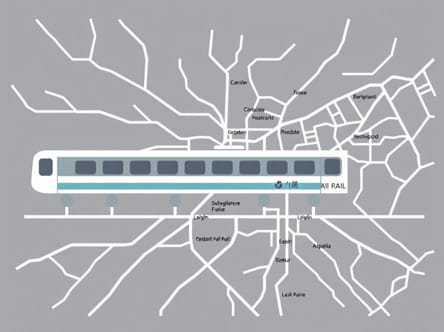
In a rapidly growing city like Bangalore, daily commuting can be a challenge. Known as the Silicon Valley of India, Bangalore has seen a major rise in population, especially from the working class in the tech sector. This growth has increased the demand for efficient and affordable public transportation. One of the most anticipated developments addressing this need is the Bangalore Suburban Rail system. The Bangalore Suburban Rail Map provides a visual understanding of this transit network that aims to connect key parts of the city with the suburbs. It is designed to ease congestion, reduce travel times, and provide an alternative to road traffic for millions of daily commuters.
Overview of the Bangalore Suburban Rail Project
The Bangalore Suburban Rail system is a long-awaited initiative by Indian Railways and the Government of Karnataka. Also known as the Bengaluru Suburban Railway Project (BSRP), it aims to integrate the city’s transport system and offer an efficient mode of transit for people living in the outer regions of Bangalore and nearby towns.
Key Features of the Project
- Total planned network of over 148 kilometers
- Four major corridors covering different parts of the city
- Connectivity to existing railway stations and metro lines
- Environmentally friendly and energy-efficient operations
- Targeting completion in multiple phases
Once operational, the Bangalore Suburban Rail system is expected to carry more than one million passengers daily, relieving pressure from roads and offering a sustainable transport alternative.
Understanding the Bangalore Suburban Rail Map
The Bangalore Suburban Rail Map is a crucial tool for residents and planners. It outlines the corridors, stations, and interchange points where the suburban rail lines connect with other modes of transport such as metro and city buses. The map provides a snapshot of the entire network, making travel planning much easier.
Main Corridors on the Map
- Corridor 1 (SBC to Devanahalli): This line connects the city’s core with the Kempegowda International Airport area.
- Corridor 2 (Baiyappanahalli to Chikkabanavara): Runs east to northwest, serving major residential and IT zones.
- Corridor 3 (Kengeri to Whitefield): Provides east-west connectivity through tech hubs and suburbs.
- Corridor 4 (Heelalige to Rajanukunte): This north-south corridor will serve outer residential belts and connect with key metro points.
These corridors intersect with major hubs like Yesvantpur, Baiyappanahalli, and KSR Bengaluru City Railway Station (SBC), which act as transfer points for smooth intermodal movement.
Importance of the Rail Map for Commuters
The Bangalore Suburban Rail Map serves as a guiding layout for commuters to plan their routes. It helps individuals understand which corridor to take, how to switch between lines, and what travel options are available near their location.
Benefits of Using the Rail Map
- Identify nearest suburban stations and connections
- Understand travel direction and terminal points
- Locate interchanges with Metro and BMTC buses
- Estimate travel time and distance
- Plan daily commutes with reduced confusion
With the help of the map, residents from suburbs like Whitefield, Yelahanka, Kengeri, and Devanahalli will be able to reach the city center quickly, avoiding long traffic delays on roads.
Integration with Existing Transit Systems
One of the core strengths of the Bangalore Suburban Rail system is its integration with other modes of urban transport. The map indicates several interchange stations that link the suburban rail to the Bangalore Metro and bus services.
Major Interchange Points
- Baiyappanahalli: Metro Purple Line and Suburban Corridor 2
- Yesvantpur: Metro Green Line and Corridor 1 & 2
- KSR Bengaluru (SBC): Central Railway Station and Metro
- Kengeri: Metro Purple Line Terminal and Corridor 3
This integration ensures a smooth transition between systems, reducing the need for road travel and supporting a multimodal transport strategy for the city.
Future Expansion and Phases
The suburban rail project is being implemented in phases. The first phase involves setting up infrastructure, stations, and corridors, while future phases will expand services and increase train frequency. The map will be updated regularly to reflect these developments.
What to Expect in Upcoming Phases
- New stations added to underserved suburbs
- Increased frequency during peak hours
- Smart ticketing and mobile app integration
- Accessibility upgrades for disabled passengers
Future updates to the map will reflect expanded routes, helping new users and residents adapt to the growing suburban system.
Accessibility and User Convenience
The suburban rail map is designed to be user-friendly and accessible for people from various backgrounds. Whether you’re a tech employee commuting to Electronics City or a student going to university, the map helps simplify travel.
Design Elements in the Map
- Color-coded corridors for easy recognition
- Station names in English and Kannada
- Icons for metro and bus interchanges
- Distance markers between key stations
The map may be available in digital formats like apps or online platforms and displayed at stations for public reference.
Environmental and Economic Impact
The Bangalore Suburban Rail system and its map don’t just serve travelers; they also contribute to a greener and more efficient city. By offering a reliable rail network, dependency on cars and two-wheelers will decrease, leading to lower carbon emissions and better air quality.
Long-Term Benefits
- Reduction in traffic congestion and road accidents
- Lower fuel consumption and pollution
- Job creation in rail construction and operations
- Increased property value near suburban stations
Understanding the rail map allows individuals and businesses to make informed decisions about real estate, commuting, and commercial activity in the Bangalore metropolitan region.
The Bangalore Suburban Rail Map is more than just a visual guide it is a tool that represents the future of urban mobility in the city. With clear routes, logical connections, and expanding coverage, the map helps commuters plan smarter and more sustainable travel routines. As the project progresses, residents will continue to benefit from reduced commute times, lower transport costs, and enhanced quality of life. Embracing the suburban rail system and familiarizing oneself with its map is a crucial step toward a better-connected and eco-friendly Bangalore.