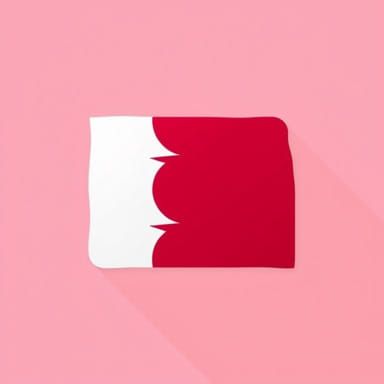
The flag of Qatar stands out for its distinct maroon color and serrated white band, making it one of the most recognizable flags in the world. However, due to its unique features, the Qatar flag is often compared with or confused for other flags that share similar color schemes or design elements. Understanding the Qatar flag’s symbolism, history, and the flags that resemble it can provide deeper insight into the cultural and geopolitical landscape of the region. This knowledge is especially useful for travelers, historians, and those interested in vexillology the study of flags.
Design and Symbolism of the Qatar Flag
Colors and Pattern
The Qatar flag is predominantly maroon with a wide white serrated band on the hoist side, featuring nine white triangles that form a zigzag pattern. The maroon color represents Qatar’s rich history and the bloodshed in the country’s many wars, while white symbolizes peace. The nine serrations stand for Qatar as the ninth member of the reconciled Emirates of the Persian Gulf following the 1916 treaty with the British.
Historical Context
The flag’s current design was officially adopted in 1971 when Qatar gained independence from British protection. Its maroon hue differentiates it from other Gulf flags, many of which use a brighter red. The flag embodies Qatar’s national identity, its sovereignty, and the country’s journey through history and diplomacy in the Gulf region.
Flags That Look Similar to the Qatar Flag
Bahrain Flag
One of the most commonly confused flags with Qatar’s is that of Bahrain. Both flags share a similar layout with a white serrated band and a colored field. However, Bahrain’s flag has a bright red color instead of maroon, and its serrated edge contains five white points rather than nine. The five points represent the five pillars of Islam. While visually similar at a glance, the color difference and the number of serrations clearly distinguish Bahrain’s flag from Qatar’s.
Other Flags with Similar Colors or Patterns
- Kuwait: Kuwait’s flag uses red, green, black, and white but with horizontal stripes and a black trapezoid. It does not feature serrated edges but shares the use of maroon-like shades in some elements.
- Oman: Oman’s flag also features red and white but includes green and a national emblem, with no serrated division. Its vertical and horizontal stripes make it distinct from Qatar’s zigzag pattern.
- United Arab Emirates: The UAE flag has red, green, white, and black but consists of three horizontal stripes and a vertical red band, differing significantly from Qatar’s design.
Why Are These Flags Similar?
The flags of Gulf Cooperation Council (GCC) countries, including Qatar, Bahrain, Kuwait, Oman, and the UAE, share common elements due to shared cultural, religious, and historical backgrounds. The use of red or maroon signifies bravery and strength, while white often symbolizes peace and purity. Serrated patterns or geometric shapes are common motifs that reflect Islamic art and tribal symbols. These similarities emphasize the unity of the region while allowing each country to maintain a unique identity.
Distinguishing Features of the Qatar Flag
Maroon vs. Red
The Qatar flag’s deep maroon color is a primary factor that sets it apart. This shade is darker and less vibrant than the red seen in Bahrain’s or Oman’s flags. This maroon tint was historically the result of a dyeing process involving the sun and a unique blend of dyes, making it a color of tradition and heritage.
Nine-Point Serrated Edge
The nine points along the serrated edge are exclusive to the Qatar flag, symbolizing the nation’s status and its historical alliances. No other flag in the region uses exactly nine serrations, which serves as a helpful visual cue for identification.
Proportions of the Flag
Another unique aspect is the flag’s ratio of 11: 28, which is longer than most national flags. This proportion helps the flag stand out visually and represents Qatar’s distinct national character.
Common Misconceptions About the Qatar Flag
Because of the similarities in design and color, some people mistakenly think Bahrain and Qatar have the same flag or that one is a variation of the other. This confusion often happens during international sports events, diplomatic gatherings, or cultural festivals. However, the Qatar flag’s unique elements its maroon color, the nine serrations, and specific proportions make it unmistakably Qatar’s own symbol.
The Importance of the Qatar Flag Today
National Pride and Identity
The flag serves as a powerful emblem of national pride for Qataris. It is displayed prominently during national holidays such as Qatar National Day, international events, and on government buildings. For Qatar, the flag represents independence, unity, and the country’s progress on the global stage.
Representation in International Arenas
In diplomatic missions, sports, and global gatherings, the Qatar flag symbolizes the nation’s sovereignty and its dynamic role in international affairs. Recognizing the flag and understanding its uniqueness help foster respect and awareness of Qatar’s distinct heritage.
How to Recognize Qatar Flag Look-Alikes Correctly
- Focus on the color: Qatar’s maroon is darker and less bright than Bahrain’s red.
- Count the serrations: Qatar has nine serrated points; Bahrain has five.
- Note the flag’s length: Qatar’s flag is notably longer with an 11: 28 ratio.
- Observe additional design elements: Other Gulf flags have different color combinations and symbols.
Appreciating the Qatar Flag and Its Regional Context
The Qatar flag is a distinctive and meaningful symbol that captures the nation’s rich history, culture, and identity. While it shares some visual similarities with other Gulf flags, key differences like its maroon color and nine serrated points make it unique. Understanding these nuances helps avoid confusion and highlights the diverse yet interconnected nature of the Gulf region. For those interested in flags or planning to visit Qatar, knowing how to recognize the Qatar flag and its look-alikes adds an enriching layer to cultural appreciation and travel experiences.