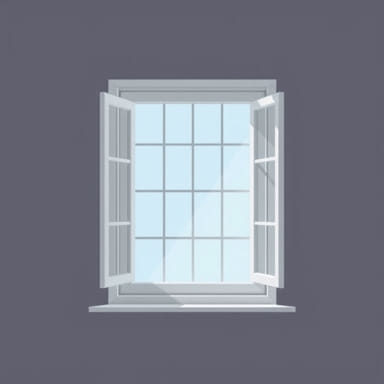
Casement windows are a popular choice for homeowners due to their energy efficiency, ease of use, and ability to provide excellent ventilation. Unlike sliding windows, casement windows are hinged on the side and open outward like a door, offering an unobstructed view and optimal airflow. To understand how these windows function and how to maintain them properly, it’s essential to learn about the different parts of a casement window. Each component plays a vital role in the overall operation and durability of the unit, making regular inspection and understanding a crucial part of home maintenance.
Frame and Sash Components
Window Frame
The window frame is the outer structure that holds the entire window assembly in place. It includes the head, jambs, and sill. The frame is typically made from materials like wood, vinyl, aluminum, or fiberglass, and provides structural support as well as insulation from the outside elements.
- Head: The top horizontal part of the window frame.
- Jambs: The vertical sides of the frame that support the sash.
- Sill: The bottom portion of the frame, angled to allow water runoff.
Window Sash
The sash is the part of the window that actually holds the glass and opens and closes. In a casement window, the sash is hinged on one side and swings outward. The sash must be sturdy enough to support the glass and resist warping from temperature changes or moisture.
Glazing and Weatherproofing
Glass Pane
This is the main section of the window that provides visibility and allows natural light to enter. Casement windows often feature double or triple-glazed panes for enhanced insulation and noise reduction. Modern casement windows may include low-emissivity (Low-E) coatings to reduce heat transfer and improve energy efficiency.
Glazing Bead
The glazing bead is a strip that secures the glass pane within the sash. It is typically removable for easy glass replacement and may be found on the interior or exterior side, depending on the window’s design.
Weatherstripping
Weatherstripping is used to seal the space between the sash and the frame when the window is closed. It prevents air leaks, water infiltration, and improves the overall energy efficiency of the window. Over time, weatherstripping may wear out and require replacement.
Opening and Locking Mechanisms
Hinges
Casement windows operate using side-mounted hinges that allow the window to swing outward. High-quality hinges are essential to ensure smooth operation and long-lasting performance. They are usually made from stainless steel or another corrosion-resistant material.
Operator or Crank
The operator, often referred to as a crank, is the mechanism that opens and closes the casement window. Turning the crank arm extends or retracts the window sash. Operators can be found in manual or motorized versions, and are usually installed at the bottom of the sash for ease of access.
Locking Handle
The locking handle secures the sash against the frame when the window is closed. Most casement windows feature a multipoint locking system that engages at multiple spots along the sash for enhanced security and weather sealing.
Additional Structural Elements
Stile and Rail
The sash is composed of vertical and horizontal members known as stiles and rails. The stiles are the vertical edges of the sash, while the rails are the top and bottom horizontal sections. These parts must be well-constructed to prevent warping and ensure the window opens and closes smoothly.
Hinge Track
The hinge track is part of the hinge system and allows the sash to pivot outward. It is attached to both the frame and the sash and must be aligned correctly for proper operation.
Optional Features and Accessories
Insect Screens
Casement windows often come with removable insect screens that mount on the interior side of the window. These screens allow ventilation while keeping insects out. Since the window opens outward, the screen stays in place and is easy to clean or replace.
Window Grilles
Grilles, also known as muntins or window grids, are decorative or structural elements that divide the glass pane into smaller sections. Some grilles are purely decorative and are installed between the glass panes or on the surface for aesthetic appeal.
Extension Jambs
Extension jambs are added to the window frame to fit thicker wall structures. These are particularly useful in custom home construction or remodeling projects where wall thickness may vary from standard dimensions.
Maintenance Tips for Casement Windows
To keep casement windows in optimal working condition, routine maintenance is necessary. Here are some key tips:
- Lubricate the hinges and crank mechanismswith silicone spray or light oil to ensure smooth operation.
- Inspect the weatherstrippingfor signs of wear, cracking, or gaps and replace if necessary.
- Check the sash and framefor signs of water damage, rot, or warping, especially on wood frames.
- Clean the glass and screensregularly with mild soap and water to maintain clear views and airflow.
- Examine the locking systemto ensure a tight seal and secure closure.
Why Choose Casement Windows
Casement windows are a great option for many homes due to their design and functionality. They offer superior ventilation since the entire sash can open outward, catching side breezes. Their tight seal when closed makes them more energy-efficient than some other window types. Additionally, their sleek and modern design suits both traditional and contemporary home aesthetics.
Understanding the parts of a casement window is crucial for any homeowner planning to install new windows or maintain existing ones. Whether you’re purchasing new windows or simply learning more about how your current ones operate, knowledge of each component helps ensure functionality, energy efficiency, and long-term value. Investing in quality parts and performing routine maintenance will keep your casement windows looking and working like new for many years.